
Interview with Moldova’s Minister of Energy, Mr Dorin Junghietu.
by Derek Michalski
May 12, 2025 • 9:56 AM GMT+1
Preparing for the Moldova Energy Forum, to take place on June 12th in Chisinau, The Voice of Renewables spoke to Moldovan Energy Minister, Mr Dorin Junghietu on the recent developments and plans aimed at achieving energy independence, creating stability for Moldovan energy market and ensure further deployment of renewable energy projects in the country.
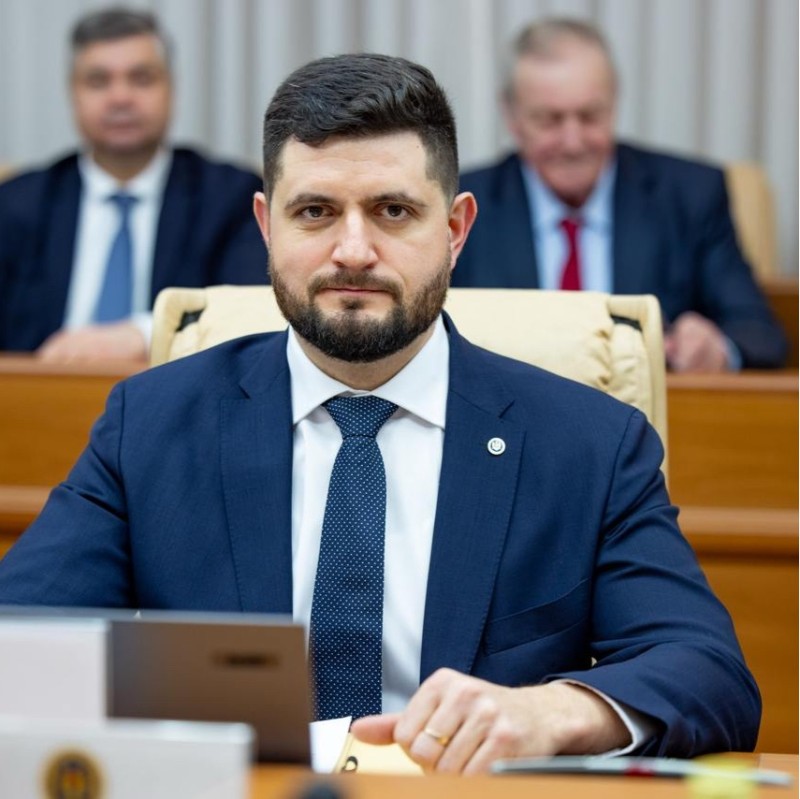
The Voice of Renewables: Minister Junghietu, congratulations on your recent appointment. What are your immediate priorities for Moldova’s energy sector?
Mr Dorin Junghietu, Moldova’s Minister of Energy: Thank you. My immediate focus is on managing the construction in time of the Vulcanesti – Chisinau overhead powerline, that will bypass the transnistrian region and strenghen our independence. As well, one of the priorities is to streamline the procedures for the implementation of renewables and energy efficiency projects.
All the actions are part of implementing the recently approved National Energy and Climate Plan (NECP) for 2025–2030. This plan sets ambitious targets: achieving a 30% share of renewable energy in final consumption, reducing greenhouse gas emissions by 68.5% compared to 1990 levels, and maintaining primary energy consumption below 2,949 ktoe. These goals are crucial for our energy independence and alignment with EU standards.
The Voice of Renewables: How does the NECP align with Moldova’s broader energy independence goals?
Mr Dorin Junghietu, Moldova’s Minister of Energy: The NECP is a cornerstone of our strategy to decouple from Russian energy supplies and integrate fully with the European Union’s energy market. We’ve already connected our power system to the European continental electricity network in 2022, which helped us keep the light on during the consecutive energy crisises, and increased import capacities. The plan includes 22 strategic measures aimed at diversifying supply sources, enhancing local generation capacities, including from renewable energy sources, and improving energy efficiency.
The Voice of Renewables: What is done to harmonise Moldova energy space in with the EU regulations?
Mr Dorin Junghietu, Moldova’s Minister of Energy: The new version of the Electricity Law, recently drafted, significantly modernizes the national legal framework in line with the EU acquis and introduces a series of regulations aimed at boosting competition, launching the electricity market and integrating it with that of the European Union, promoting the installation of energy storage systems, the electrification of the economy, and enabling greater consumer participation in the energy market.
It is worth noting that the new law transposes the EU’s Fourth Energy Package (also known as the Electricity Integration Package), which is part of the Clean Energy Package. This package has been mandatory for transposition into Moldovan legislation since 2022, as part of Moldova’s commitments as a contracting party to the Energy Community Treaty. Its adoption will support the greater integration of Moldova’s electricity market into the European market.
The Voice of Renewables: How this new version of Electricity Law will affect advancing renewables in your country?
Mr Dorin Junghietu, Moldova’s Minister of Energy: This Law introduces several specific objectives aimed at supporting the development of energy infrastructure and promoting competition in the electricity market. Let me just mention energy storage, electricity trading, and aggregation activities. This Law also sets general principles regarding the functioning of electricity markets, including wholesale markets – such as bilateral contracts market, forward markets, day-ahead and intraday markets, and the balancing market.
A very important part of this Law is aimed at strengthening regional cooperation to facilitate cross-border trade and manage network congestion, key elements for ensuring the stability of our power system.
The Law is quite broad, and I will not be bringing up all its aspects. Here we should also mention enhancing the role and rights of consumers as participants in the electricity market. We are introducing the concept of prosumer, encouraging self-consumption and supporting the creation of citizen energy communities. As the Ministry, we fully support the transition to a decentralized production and consumption model.
The Voice of Renewables: What steps are being taken to attract investment in renewable energy?
Mr Dorin Junghietu, Moldova’s Minister of Energy: We’ve recently concluded the first auction to grant the status of large eligible producers for 2025–2026 and now are evaluating offers. This includes launching our first tenders for wind and solar power plants, aiming to attract investors to build wind power plants with up to 105 MW and photovoltaic plants with a maximum of 60 MW. Successful bidders will be guaranteed a fixed electricity price for 15 years, which we believe provides necessary stability and will encourage investment.
Also, we recently approved an action plan for organizing the second tenders for renewables and storage.
This plan outlines a list of actions to be undertaken by our Ministry to organize a new round of tenders for granting the status of large eligible producer for electricity generation capacities from renewable sources, equipped with energy storage systems (battery storage). It includes steps and deadlines such as: identifying development partners to support the preparation and implementation process of the new tenders, analysing the results of the first round of tenders launched in August 2024, drafting and approving tender documentation, publishing the Announcement on the initiation of the tendering procedure, and other procedural aspects.
The approval of this plan represents a significant step toward strengthening the energy independence of the Republic of Moldova and accelerating the transition to renewable energy sources. By organizing tenders to select large energy producers with storage capacities, we are not only contributing to diversifying energy sources but also attracting sustainable investments in the energy sector. This is a key project for the energy future of our country.
The Voice of Renewables: How is Moldova addressing the energy needs of the Transnistria region?
Mr Dorin Junghietu, Moldova’s Minister of Energy: The Transnistria region has faced challenges due to its reliance on Russian energy supplies. We’ve provided temporary gas supplies funded by EU grants, but long-term solutions require the region to meet specific conditions, including improving human rights and adjusting subsidized utility prices. Our goal is to ensure energy security for all citizens while promoting reforms that align with our national and EU objectives.
The Voice of Renewables: What support has Moldova received from international partners to achieve these energy goals?
Mr Dorin Junghietu, Moldova’s Minister of Energy: The European Union has been a key partner, providing a €250 million support package for 2025 to bolster our energy independence and resilience. This includes investments in infrastructure, support for vulnerable consumers, and assistance in diversifying energy sources. Additionally, the EU supports building capacity and piloting the Moldovan Residential Energy Efficiency Fund, further aiding our transition.
The Voice of Renewables: Looking ahead, what is your vision for Moldova’s energy sector?
Mr Dorin Junghietu, Moldova’s Minister of Energy: Our vision is to create a sustainable, secure, and integrated energy system that not only meets our domestic needs but also positions Moldova as a reliable partner within the European energy market. By investing in renewables, enhancing efficiency, and fostering regional cooperation, we aim to ensure energy security and economic growth for our nation.