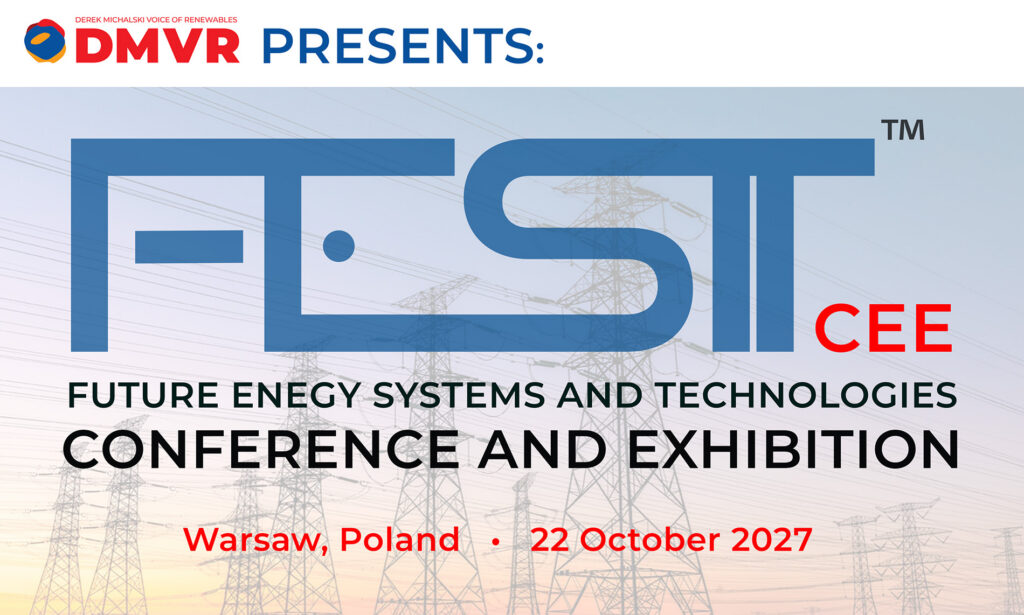
AGENDA
Operating Stable, Secure and Flexible Power Systems in the Age of Inverter-Dominated Grids.
22nd October 2026, Warsaw
The Hotel Gromada Warszawa Centrum
9:30 – 10:00 Registration & Networking Coffee
10:00 – 10:15 Opening Keynote: The New Physics of Power Systems: Operating Secure Electricity Networks Beyond the Synchronous Era – How inverter-based resources, storage, HVDC and electrified demand are reshaping system operation and planning.
10:30 – 11:10 Panel I: Grid Stability in Converter-Dominated Power Systems.
As renewable penetration continues to rise, maintaining stability in systems with declining synchronous generation has become one of the most urgent technical challenges facing network operators. This session examines how grid-forming technologies, advanced controls and new planning methodologies are being deployed to maintain secure system operation.
- Managing low short-circuit ratio conditions
- Grid-forming versus grid-following inverter behaviour
- Synthetic inertia and alternatives to conventional system strength
- Stability challenges in weak-grid environments
- EMT modelling requirements for modern grid connection studies
- Interactions between wind, solar and battery converters
11:10 – 11:50 Networking break.
11:50 – 12:30 Panel II: Protection, Control and Cybersecurity in Converter-Dominated Power Systems.
Traditional protection philosophies were developed around synchronous machines and predictable fault behaviour. As inverter-based resources become dominant, utilities are redesigning protection schemes while addressing growing cybersecurity and power quality challenges.
- Protection redesign for low fault current systems
- Harmonics, resonance and converter interactions
- Coordination of large-scale inverter fleets
- Cybersecurity of inverter and SCADA environments
- Evolution of grid codes and compliance requirements
- Standardisation of protection and control architectures
12:30 – 13:10 Networking break.

13:10 – 13:50 Panel III: Managing Congestion, Flexibility and Hybrid Renewable Assets.
Grid congestion and connection constraints are increasingly shaping project economics and system operation. This session explores how hybrid renewable plants, battery storage and flexibility services are being used to maximise network utilisation and support system reliability.
- AC and DC-coupled hybrid plant architectures
- Optimal storage sizing and operational strategies
- Curtailment forecasting and management
- Hosting capacity limitations across transmission and distribution networks
- Redispatch and congestion management mechanisms
- Hybrid plants as providers of grid support services
13:50 – 15:00 Networking break.
15:00 – 15:40 Panel IV: Digital Operations, Electrification and the Future Control Room.
The growing complexity of modern power systems is accelerating the adoption of digital tools, AI-driven forecasting and active network management. At the same time, electrification of transport, heating and industry is fundamentally changing demand behaviour across electricity networks.
- Digital twins for transmission and distribution systems
- AI-based forecasting for renewable generation and demand
- DERMS and next-generation control room architectures
- EV charging and flexible demand management
- Heat pumps and winter peak system impacts
- Real-time dispatch optimisation under uncertainty
- Active DSO operation and local flexibility markets
16:20 – 16:30 Closing Keynote & Expert Discussion: Offshore Integration, HVDC Expansion and Europe’s Future Electricity Backbone
Exploring how offshore wind, HVDC corridors, interconnectors and cross-border coordination are transforming the architecture of future power systems.
- Offshore wind as critical infrastructure
- HVDC system integration challenges
- Renewable transmission corridors
- Cross-border congestion management
- European balancing coordination
- Long-term system resilience
16:30 End of the conference.
FEST – Future Electricity Systems & Technologies brings together engineers, system operators, planners and technical specialists to examine how power systems can be designed, operated and protected in an increasingly converter-dominated environment. The conference focuses on the practical engineering challenges facing transmission and distribution networks, from grid-forming control and protection redesign to congestion management, digital operations and large-scale renewable integration.
Electricity systems are undergoing their most significant technical transformation since the creation of interconnected power networks. As synchronous generation is replaced by inverter-based renewable resources, battery storage, HVDC links and distributed energy assets, system operators must maintain stability, reliability and resilience under fundamentally different operating conditions.

CONFERENCE TOPICS
Technical focus areas:
- inverter-based power systems (PV, onshore wind, battery storage)
- electricity market design and flexibility integration
- electrification of end-use demand (transport, heating, industry)
- digitisation and real-time operation of power systems
- AI-enabled system operation
- autonomous network management
1. Inverter-Based Power System Stability and Grid-Forming Operation
Focus on the fundamental shift from synchronous to converter-dominated grids.
Key subtopics:
- grid-forming vs grid-following inverter behaviour
- system inertia replacement strategies
- stability in weak grid conditions
- EMT modelling requirements for grid connection studies
- interaction dynamics between PV, wind, and BESS converters
- fault response and protection in low short-circuit ratio networks
2. Hybrid Power Plants: Co-Optimisation of PV, Wind, and Battery Storage
How multi-technology assets are reshaping project design.
Key subtopics:
- AC vs DC-coupled hybrid architectures
- optimal sizing of storage in hybrid plants
- export limitation and grid connection constraints
- coordinated control of wind–solar–storage systems
- degradation-aware dispatch strategies for BESS
- hybrid plants as grid support assets (not just generation)
3. Grid Congestion, Curtailment, and Hosting Capacity Limits
The operational constraint layer shaping all new projects.
Key subtopics:
- curtailment forecasting and real-time management
- congestion-driven project design
- hosting capacity limits in transmission and distribution networks
- redispatch mechanisms and system operator interventions
- cross-border flow constraints in interconnected systems
- data-driven congestion modelling and forecasting
4. Electricity Market Design for Flexible, High-Renewable Systems
How market structures are adapting to physical constraints.
Key subtopics:
- negative pricing and volatility regimes
- ancillary services expansion (frequency, inertia, voltage support)
- flexibility markets at transmission and distribution level
- co-optimisation of energy, capacity, and congestion markets
- revenue stacking for hybrid and storage assets
- impact of market signals on system operation and design
5. Electrification of Demand and Distribution System Transformation
The demand-side restructuring of the electricity system.
Key subtopics:
- EV charging load dynamics and grid impacts
- heat pump deployment and winter peak stress
- industrial electrification and flexible demand
- DSO operational transformation into active system operators
- DER integration and aggregation models
- local flexibility markets and congestion management at LV/MV level
6. Digitisation, AI, and Real-Time Power System Operation
The shift from static planning to adaptive control systems.
Key subtopics:
- digital twins for transmission and distribution systems
- AI-based forecasting for wind, solar, and load
- real-time dispatch optimisation under uncertainty
- SCADA evolution and DERMS integration
- edge computing for inverter-level control
- predictive maintenance and system reliability analytics
7. Protection Systems, Power Electronics Interaction, and System Security
The hidden technical layer becoming critical in inverter-heavy grids.
Key subtopics:
- protection system redesign for low fault current networks
- harmonics and resonance in converter-dominated systems
- interaction between large-scale inverter fleets
- cybersecurity of inverter and SCADA systems
- grid code evolution for inverter-based resources
- standardisation of control and protection coordination
8. Offshore-to-Onshore System Integration and Cross-Border Flows
Key subtopics:
- transmission expansion for renewable corridors
- HVDC integration and system stability impacts
- offshore wind as system-scale infrastructure
- cross-border congestion management
- European interconnection and balancing coordination